Education — Pre-Purchase Inspection
Don't Buy a Car
Without This.
A pre-purchase inspection (PPI) is the single most important thing you can do before buying a used car. It costs $100-200 and can save you thousands.
The Basics
What Is a
Pre-Purchase Inspection?
A PPI is when you pay an independent mechanic — not the seller, not the dealership — to inspect a car before you buy it.
This is different from:
The seller's inspection — they're trying to sell you the car.
Your own visual check — you're not a trained mechanic.
A test drive — you can't see what's happening under the hood.
A good PPI costs $100-$200 and is the single most powerful tool you have before signing anything.
If a dealer refuses to let you take the car to an independent mechanic — walk away. That refusal is your answer.
Interactive Engine Diagram
Under the Hood — What to Actually Look For
Click any numbered pin on the engine to learn what that component does, how to inspect it yourself, and what condition it should be in.
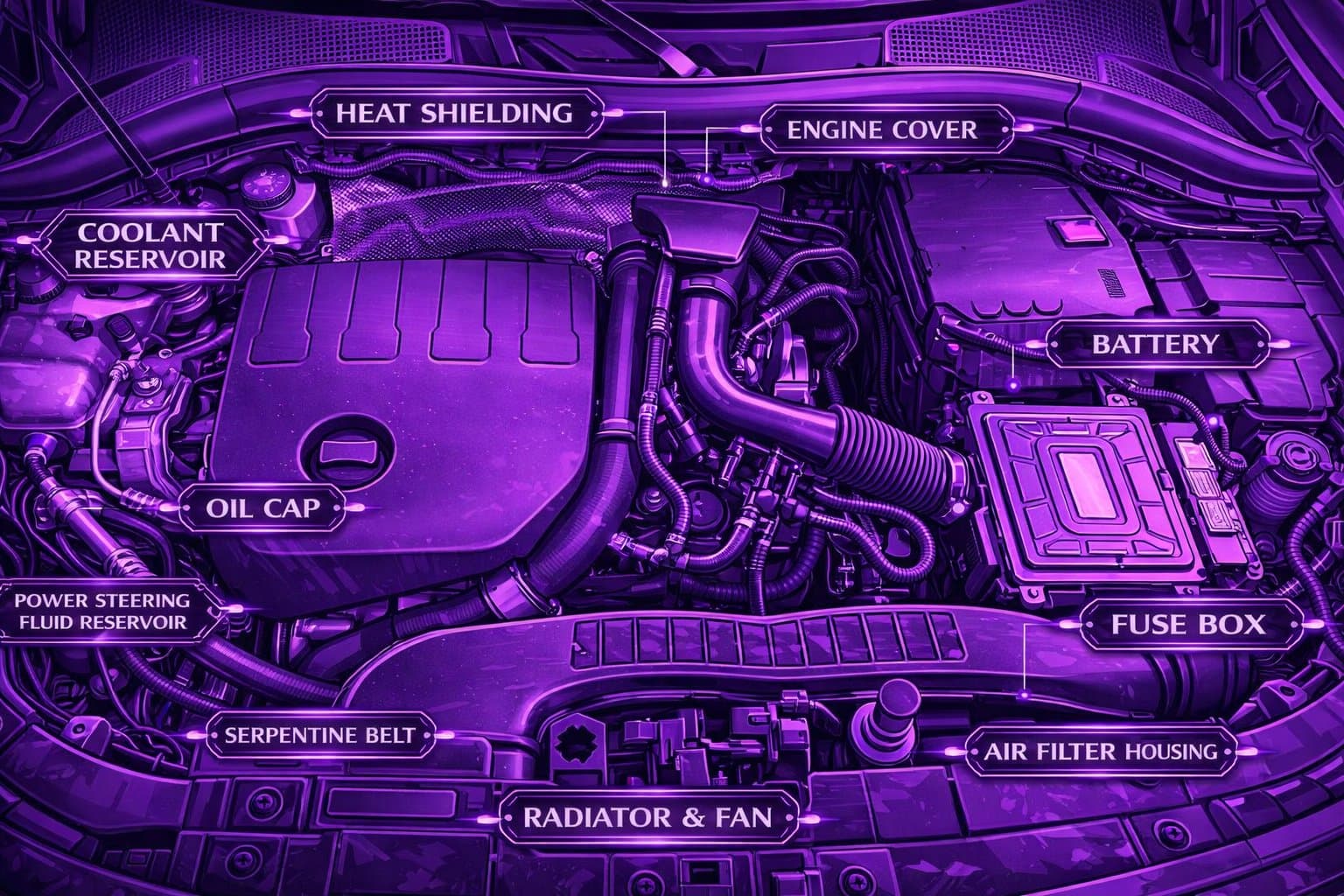
Click any numbered pin
on the engine image
10 components to inspect
Your Options
Where to Get a PPI
Option 01 — National Services
Independent Inspection Services
Lemon Squad (lemonsquad.com) — Mobile service, 110-point inspection. Cost: $150-250.
CARCHEX (carchex.com) — Mobile or shop-based, detailed report. Cost: $100-200.
Option 02 — Best Option
Manufacturer Dealerships
If you're buying a used Honda from a Mitsubishi dealership, take it to a Honda dealership for the PPI.
They know that brand inside and out, have the right diagnostic equipment, and have zero incentive to lie. Cost: usually $100-150.
Option 03 — If You Have It
AAA Membership
Option 04 — If You Trust Them
Trusted Local Mechanics
Manufacturer Dealership Locators
Find a Manufacturer Dealership
Buying a used Honda from a Mitsubishi dealer? Take it to a Honda dealership for your PPI. They know that brand, have the right tools, and have zero incentive to lie.



What Inspectors Check
Why You're Paying for Your Safety
A good inspector goes through the car systematically. Here's what they're checking — and why each category matters.
"Your salesperson is not your friend, your partner, or someone looking out for your best interests. They're paid on commission. The more you pay, the more they make. This doesn't mean they're evil. It just means you need to protect yourself."
Rana Darwich, VINdicated Founder
The Process
How to Schedule a PPI
- →Find your inspector first. Before you fall in love with a car. Having a go-to mechanic removes the pressure to scramble when you find a car you like.
- →Tell the seller upfront. "I'd like to have this inspected by an independent mechanic before purchasing." Any seller who refuses is a red flag — walk away.
- →You take the car to the mechanic for private sellers. For dealerships, negotiate: "I'd like to take it for an extended test drive to a mechanic I've already booked." Get it in writing.
- →Get the report in writing. Every finding, documented. No verbal summaries. You want a paper trail — both for negotiating and for your own records.
- →Use the findings to negotiate. Found a leaking CV boot? That's $300-600 in repairs. Ask the seller to reduce the price accordingly or fix it before sale.
- →You can still walk away after a PPI. If the findings are serious and the seller won't negotiate — you didn't waste your money. You saved yourself from a much bigger loss.
Important
If a seller stalls on producing service records or promises they'll "get them later," schedule the inspection before you commit emotionally. Schedule the inspection before you're attached — not after.